LMS
LMS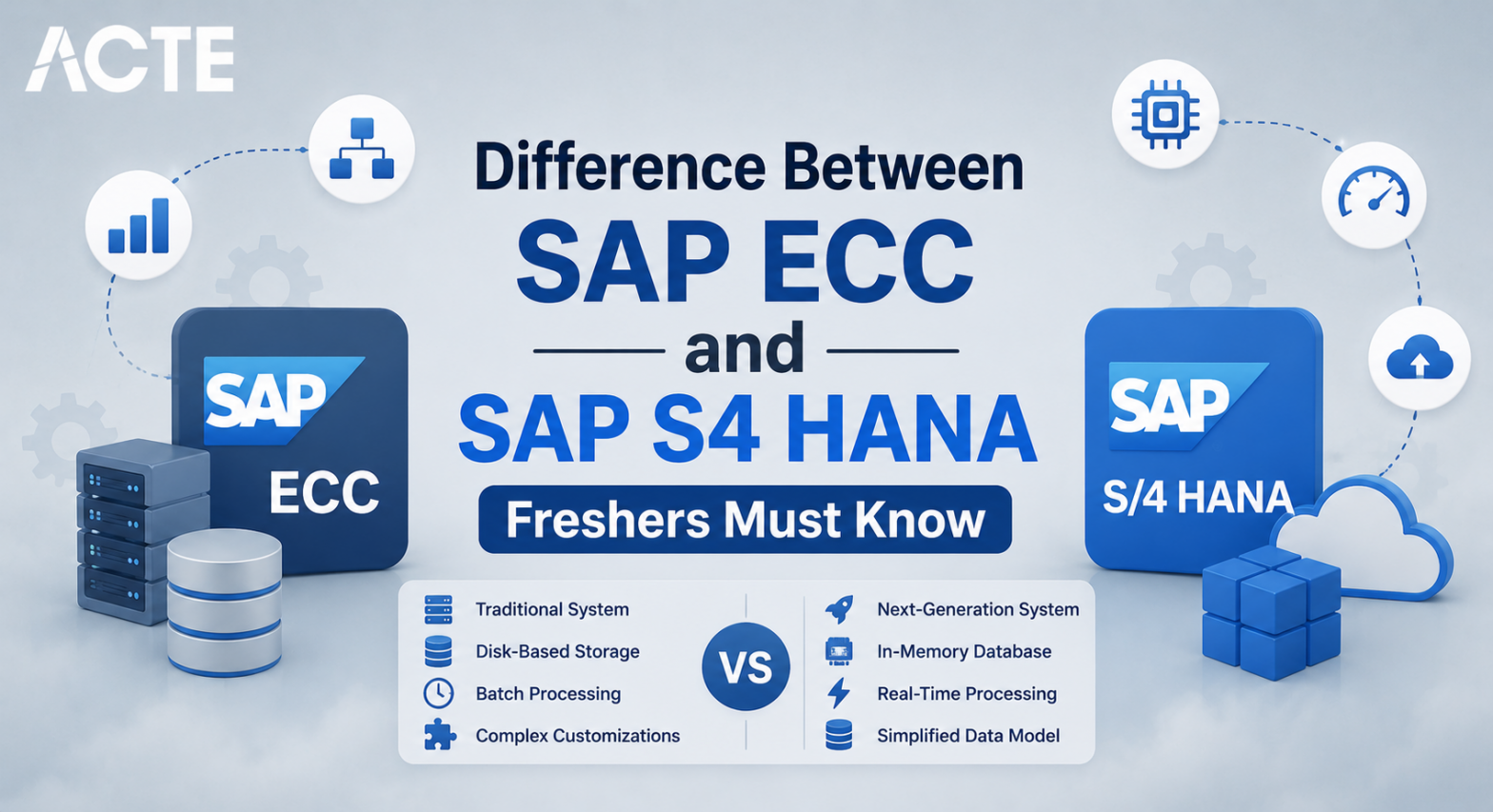
Last updated on 23rd May 2026| 11328

- Introduction to SAP ECC vs S/4HANA Difference
- Functional Shifts Between ECC and S/4HANA
- Database and Performance Differences Explained
- User Interface and Experience Enhancements
- Migration Pathways and Enterprise Challenges
- Strategic Skills Freshers Gain Through Migration Projects
- Actionable Insights for Understanding ECC and S/4HANA
- Comparative Perspectives on ECC and S/4HANA Implementations
- Conclusion on SAP ECC vs S/4HANA Difference
Introduction to SAP ECC vs S/4HANA Difference
SAP ECC vs S/4HANA difference is a critical subject for freshers entering enterprise resource planning. SAP ECC, the legacy ERP system, has been widely adopted for decades, while SAP S/4HANA represents the next-generation platform built on in-memory computing. Understanding differences between SAP ECC and S/4HANA helps freshers recognize why organizations are transitioning to modern systems. SAP ECC vs S/4HANA comparison highlights how ECC relies on traditional relational databases, whereas S/4HANA exclusively uses SAP HANA, enabling real-time analytics and simplified data models in SAP BASIS Training. SAP S/4HANA vs ECC key differences also include merging financial and controlling modules into a Universal Journal, reducing redundancy. SAP ECC and S/4HANA database difference emphasizes the shift from disk-based storage to in-memory computing, which drastically improves speed. SAP ECC to S/4HANA migration differences matter because enterprises must adapt by 2027 when ECC support ends. For freshers, mastering these basics ensures career readiness in ERP consulting, implementation, and digital transformation projects.
Functional Shifts Between ECC and S/4HANA
SAP ECC vs S/4HANA difference extends beyond databases into functional design. ECC uses separate FI and CO modules, while S/4HANA merges them into a Universal Journal, simplifying reporting. Differences between SAP ECC and S/4HANA also include streamlined processes that eliminate aggregates and indexes, reducing complexity in SAP BASIS Training. SAP ECC vs S/4HANA comparison shows ECC relies on batch processing, while S/4HANA supports real-time transactions. SAP S/4HANA vs ECC key differences highlight integration with AI, machine learning, and predictive analytics, which ECC lacks. SAP ECC and S/4HANA database difference reinforces that ECC supports multiple databases, while S/4HANA is locked to SAP HANA. SAP ECC to S/4HANA migration differences involve adapting customizations and add-ons to fit the new simplified architecture. For freshers, understanding these functional shifts prepares them to support enterprises during transformation projects and ensures they can contribute effectively to ERP modernization initiatives.
Ready to Get Certified in SAP BASIS ? Explore the Program Now SAP BASIS Training Offered By ACTE Right Now!
SAP ECC vs SAP S/4HANA Key Differences
- Traditional Database Reliance: ECC depends on relational databases like Oracle or SQL Server. This reliance creates slower performance compared to in-memory systems, making analytics less efficient for enterprises.
- In-Memory Computing Advantage: SAP S/4HANA vs ECC key differences include exclusive use of SAP HANA. Data stored in RAM enables instant access, supporting real-time analytics and transactions.
- Simplified Data Models: Differences between SAP ECC and S/4HANA highlight how ECC uses complex tables, while S/4HANA reduces redundancy with streamlined structures, improving query speed and reducing storage and Choose Best SAP Course for Freshers.
- Performance Optimization: SAP ECC vs S/4HANA comparison shows ECC relies on batch processing, while S/4HANA delivers continuous updates, enhancing responsiveness for business operations.
- Database Lock-In: SAP ECC and S/4HANA database difference emphasizes that ECC supports multiple databases, while S/4HANA requires SAP HANA, creating a single-vendor dependency.

User Interface and Experience Enhancements
SAP ECC vs S/4HANA difference also appears in user experience. ECC primarily uses SAP GUI, which is functional but outdated, while S/4HANA introduces SAP Fiori, a modern, mobile-friendly interface. Differences between SAP ECC and S/4HANA highlight how Fiori improves usability with role-based dashboards and intuitive navigation. SAP ECC vs S/4HANA comparison shows ECC users often struggle with complex menus, whereas S/4HANA simplifies workflows thats why Top Companies hiring SAP Freshers and how to apply. SAP S/4HANA vs ECC key differences include enhanced visualization tools that support decision-making.
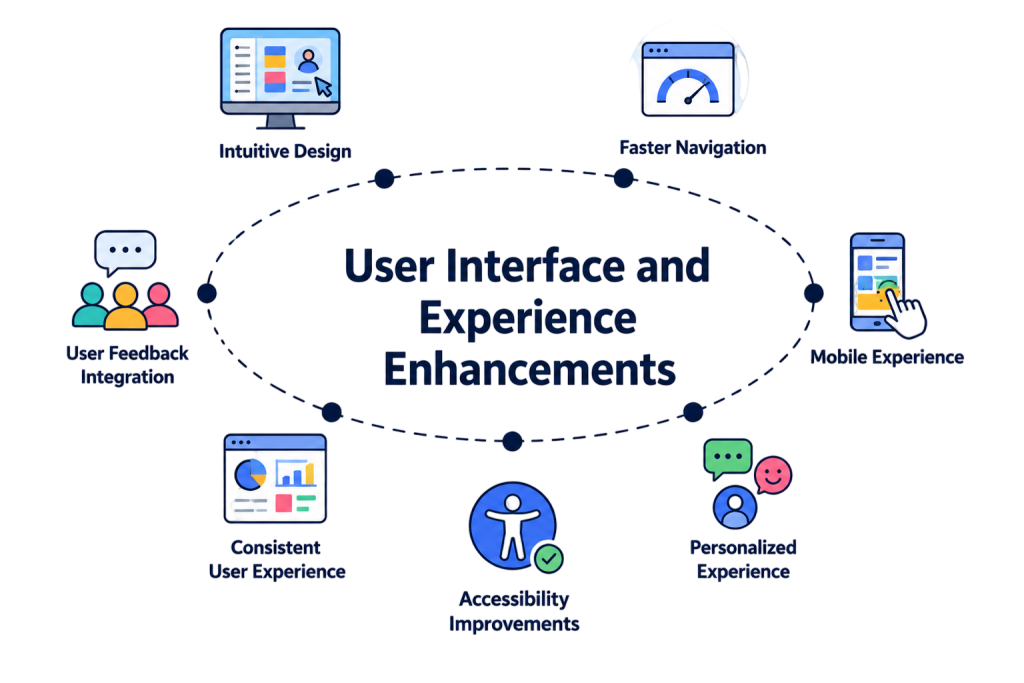
SAP ECC and S/4HANA database difference indirectly impacts UI, as faster queries enable smoother user experiences. SAP ECC to S/4HANA migration differences require training employees to adapt to Fiori, which may involve cultural and process changes. For freshers, learning these interface improvements ensures they can support organizations in adopting modern ERP systems and deliver value through enhanced usability.
Excited to Obtaining Your SAP BASIS Certificate? View The SAP BASIS Training Offered By ACTE Right Now!
Migration Pathways and Enterprise Challenges
SAP ECC vs S/4HANA difference becomes critical during migration planning. Differences between SAP ECC and S/4HANA include removal of certain customizations and add-ons, requiring enterprises to redesign processes. SAP ECC vs S/4HANA comparison highlights the need for data cleansing and transformation to fit simplified models. SAP S/4HANA vs ECC key differences also involve adapting reporting structures, such as moving to account-based CO-PA. SAP ECC and S/4HANA database difference requires organizations to migrate from traditional databases to SAP HANA, which can be resource-intensive and Top SAP Modules Every Freshers Should Learn. SAP ECC to S/4HANA migration differences include challenges like retraining staff, managing downtime, and ensuring compliance. For freshers, understanding these pathways prepares them to assist in migration projects, offering skills in data conversion, testing, and process optimization. Migration is not just technical but strategic, shaping enterprise readiness for future digital transformation.
Strategic Skills Freshers Gain Through Migration Projects
- Database Transition Expertise: Freshers learn SAP ECC and S/4HANA database difference by assisting in migrations, gaining skills in handling in-memory systems.
- Process Optimization Skills: SAP ECC vs S/4HANA difference projects teach freshers how to streamline workflows, eliminating redundancies and improving efficiencyand Future Scope Of SAP Careers for Freshers .
- Analytical Thinking: Differences between SAP ECC and S/4HANA encourage freshers to analyze performance bottlenecks and design solutions.
- User Training Support: SAP ECC vs S/4HANA comparison projects involve helping employees adapt to Fiori, enhancing communication and instructional abilities.
- Migration Strategy Knowledge: SAP ECC to S/4HANA migration differences expose freshers to planning, testing, and execution, preparing them for consulting roles.
Are You Considering Pursuing a Gen AI Master’s Degree? Enroll For SAP BASIS Expert Masters Program Training Course Today!
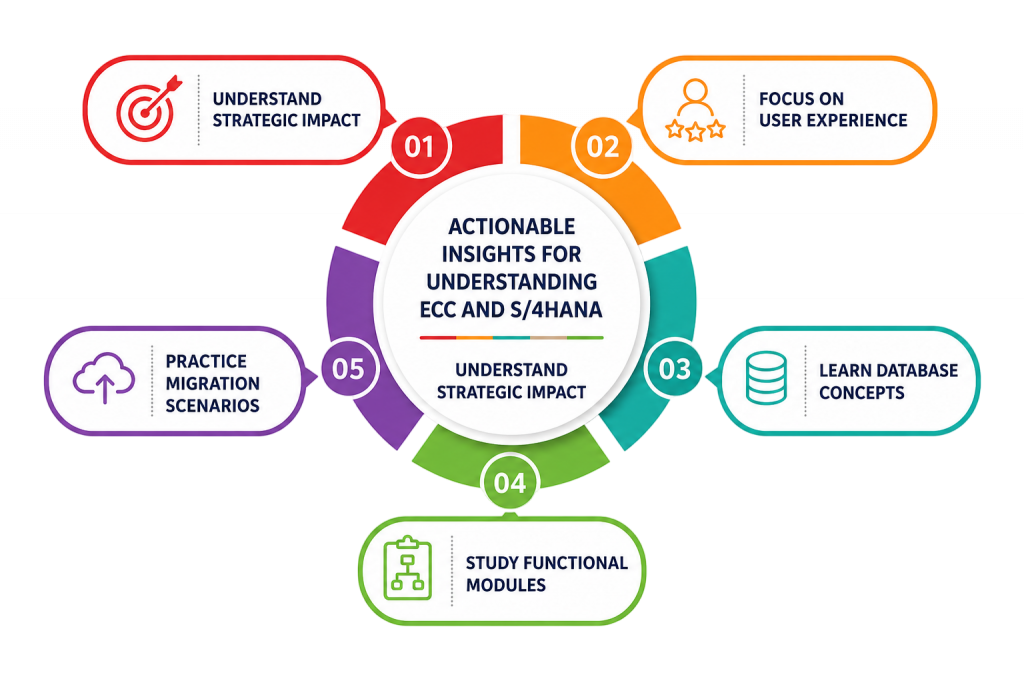
Actionable Insights for Understanding ECC and S/4HANA
- Study Functional Modules: Freshers should explore differences between SAP ECC and S/4HANA modules to understand how processes evolve and know more in SAP HANA Basics Every Freshers Shloud Understand.
- Learn Database Concepts: SAP ECC and S/4HANA database difference requires mastering in-memory computing for career relevance.
- Practice Migration Scenarios: SAP ECC to S/4HANA migration differences can be simulated in labs, helping freshers gain practical exposure.
- Focus on User Experience: SAP ECC vs S/4HANA comparison highlights Fiori’s importance, so freshers should practice designing role-based dashboards and Explore moer in Easy Understanding of SAP ERP for Beginners.
- Understand Strategic Impact: SAP S/4HANA vs ECC key differences show how modernization supports digital transformation, making freshers valuable contributors.
Set to Ace Your SAP BASIS Job Interview? Check Out Our Blog on SAP BASIS Interview Questions & Answer
Comparative Perspectives on ECC and S/4HANA Implementations
- Legacy ECC Systems: ECC remains in use but faces end-of-support deadlines. Freshers studying SAP ECC vs S/4HANA difference must understand legacy challenges.
- Modern S/4HANA Deployments: Differences between SAP ECC and S/4HANA highlight how enterprises adopt S/4HANA for real-time analytics and simplified models.
- Hybrid Implementations: SAP ECC vs S/4HANA comparison shows some organizations run both systems temporarily, requiring integration expertise.and Join our SAP BASIS Training
- Cloud vs On-Premise: SAP S/4HANA vs ECC key differences include flexible deployment options, unlike ECC’s traditional on-premise focus.
- Migration Strategies: SAP ECC to S/4HANA migration differences emphasize phased approaches, balancing risk and efficiency.
Conclusion on SAP ECC vs S/4HANA Difference
The difference between SAP ECC and S/4HANA highlights the evolution of enterprise resource planning systems toward faster, smarter, and more efficient platforms. While SAP ECC is based on traditional database structures, SAP S/4HANA uses in-memory computing to enable real-time analytics, simplified data models, and enhanced performance. This comparison shows how S/4HANA integrates modern technologies and provides a more user-friendly experience, making it a future-ready ERP solution, whereas ECC represents a legacy system gradually being phased out. Understanding these differences, along with the challenges involved in migrating from ECC to S/4HANA, is essential for professionals aiming to build a career in ERP consulting and implementation. For freshers, gaining this knowledge strengthens industry readiness and career growth opportunities, and structured learning through SAP BASIS Training helps bridge the gap between academic concepts and real-world enterprise requirements, ultimately enabling professionals to support organizations in their digital transformation journey.